Hey everyone, it’s Sam from EMS Fitness Supply, and today I’m talking about something we get asked a LOT: what do you do if you feel weird during EMS training? First off, let’s get this straight—EMS training isn’t supposed to leave you uncomfortable mid-workout. If you’re tensing up, your muscles feel twitchy in a bad way, or your head starts to spin, that’s your body talking, not the training. I see so many newbies either pushing through because they think “no pain no gain” or panicking so bad they freeze, and neither is right. Let’s break this down like we chat with our clients every day—no jargon, just real stuff. EMS Fitness

First, let’s start with what “uncomfortable” even means here, because EMS is different from regular gym workouts. Regular lifting burns, but EMS is electrical muscle stimulation that activates muscles through a suit, right? So the weird feelings are usually split into three types: muscle twinges (not the good “I’m working out” kind), skin irritation, or that “I’m about to pass out” lightheadedness. If you’re feeling any of those, your first move is NOT to lie down and hope it goes away. Wait, no—wait, your first move is to tap the trainer or the emergency stop button. We teach every user to where that stop button is, and our suits have a big, bright one for a reason. But let’s not skip the steps after that, because a lot of people hit stop and then don’t know what to do next.
Let’s start with muscle discomfort specifically, because that’s the most common one. A lot of first-time users think the stimulation is supposed to be so strong it’s painful, but that’s a myth. EMS is meant to be a complement to your movement, not a replacement for it. If you’re cranking up the intensity too high too fast, you’ll get those twitchy, shaky muscles that feel like they’re working too hard, or even a tight, achy feeling in your core or legs. Here’s what to do: hit stop, take off the suit (wait, no—take the electrodes off gently, not yank them), and drink a sip of water. Then, take 10 slow, deep breaths. A lot of times, that muscle tightness is just tension from tensing up too much, not the actual stimulation. We tell our trainers to check in every 5 minutes during sessions, but if you’re in a solo session, you can pause your own program for 30 seconds, relax your muscles, and try a lower intensity. Wait, but don’t just drop it to zero—adjust it back to a level that feels like it’s working without making your muscles burn so bad you can’t move. I’ve had clients who pushed through a “bad” twinge and ended up with a pulled hamstring, so trust that initial feeling—your body’s not being dramatic.
Next up, skin irritation. This is super common, especially if you’re wearing the suit over dry, flaky skin, or if you skip washing your suit after every use. A lot of people come back and say their back or chest is red and itchy after a session, and that’s usually because the electrodes are touching dirty skin, or the suit’s fabric isn’t airtight (which is why our suits use that 4-way stretch, moisture-wicking material). If you feel that itch or a stinging sensation mid-session, don’t scratch it—first, lower the intensity a little, so the electrodes aren’t pushing as hard on your skin. If that doesn’t help, pause, pat the area with a clean towel (we supply travel-sized ones for this exact reason), and see if the irritation calms down. If you’re prone to eczema or sensitive skin, talk to your trainer before your session—we can adjust where the electrodes go, or even suggest a thin, cotton layer to wear under the suit (but make sure it’s not too thick, otherwise the stimulation won’t work). And for the love of all things EMS, wash your suit after every use. Our team always tells clients to use mild detergent, no fabric softener, because softener coats the electrodes and makes them less effective, but also causes irritation. I once had a client who used fabric softener and ended up with a rash that lasted 2 days—so don’t skip that step.
Then there’s the big one: lightheadedness or feeling like you’re going to faint. This is rarer, but it’s serious. If you feel dizzy, your vision gets blurry, or your stomach feels queasy mid-session, that’s not normal. The first thing to do is stop what you’re doing, sit down immediately, and put your head between your knees. EMS training raises your heart rate a bit, so if you didn’t eat before your session, or you’re dehydrated, that can make lightheadedness way worse. I always tell clients to eat a light snack (like a banana or a granola bar) 1-2 hours before their workout, and drink water throughout the day—same as regular workouts, but a lot of people forget that with EMS because it feels less intense. If the lightheadedness doesn’t go away after 2 minutes, call someone or head to a doctor, but 9 times out of 10, it’s just dehydration or skipping a pre-workout snack. We also make sure our suits have heart rate monitors built-in, so if your heart rate spikes too high, it will automatically adjust the intensity—so if that happens, don’t panic, just follow the suit’s prompts.
Wait, but what if you’re a regular user and you’re feeling uncomfortable all the time? That’s not normal either. EMS training is supposed to get easier as your body gets used to it, not more uncomfortable. If every session leaves you with muscle soreness that lasts more than 48 hours, or you’re getting skin rashes every time, reach out to your trainer or even us. We’re not just a suit supplier—we help gym owners troubleshoot this stuff all the time. For example, some gyms use old suits where the electrodes are frayed, so they’re sending inconsistent stimulation, which causes weird muscle twinges. That’s a quick fix—just replace the electrodes or upgrade to our newer suits, which have 10% more stable electrodes and less skin irritation. We also do free on-site checks for gyms that buy our equipment, so if you’re a trainer reading this, you can send your clients our way and we’ll make sure their sessions are safe and comfortable.
A common mistake I see is people thinking EMS is for people who want to work out without effort, so they skip warming up. That’s a huge one. Warming up is just as important for EMS as it is for regular lifting. If you don’t do 5 minutes of light jogging or stretching before putting on the suit, your muscles are cold, so the stimulation will feel way more intense, leading to discomfort. We always recommend our clients do a quick warm-up, even if they’re in a rush—because that little step prevents so many mid-session issues. I’ve had a client who skipped the warm-up and ended up with a sore back for 3 days, and after we started making him do the warm-up, he had no more problems. It’s such a simple fix.
Another thing: listen to your body’s baseline. If you’re stressed, tired, or didn’t sleep well the night before, your pain tolerance is lower, so EMS will feel way more uncomfortable than usual. I make sure to tell my friends (and our clients) to skip a session if they’re burnt out, instead of pushing through. EMS is great for recovery, but not if your body’s already run down. That’s a mistake a lot of people make—they think more is better, but rest is just as important here.
Wait, let’s get real for a second. I know a lot of you are new to EMS, so it’s easy to feel like you’re doing something wrong if you’re uncomfortable. But discomfort doesn’t equal progress. Progress is when you leave the gym feeling energized, not achy or itchy. So if you’re having issues, don’t brush it off—talk to someone. If you’re a gym owner or a trainer reading this, we can help you set up proper protocols for your clients, like checking hydration levels before sessions, teaching them how to adjust intensity mid-workout, and making sure your suits are in good shape. We’ve been supplying EMS suits for over 5 years, and we’ve helped hundreds of gyms cut down on client complaints by just making these small changes.
Now, let’s wrap this up, because I know you’re here for the actionable stuff. If you feel uncomfortable during EMS training, follow these 5 quick steps: 1. Hit the stop button (or tap your trainer) immediately. 2. Pause and relax your muscles, take 10 deep breaths. 3. Adjust the intensity to a lower, more comfortable level if you want to keep going, or end the session if you need to. 4. Drink some water and pat any irritated skin gently. 5. After the session, make sure you washed your suit (or if you’re a gym owner, remind your clients to wash theirs) and think about if you skipped a warm-up or pre-workout snack that day.
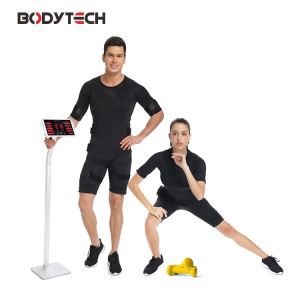
And here’s the thing: if you’re looking to set up an EMS training program at your gym, or if you’re a trainer who needs better, more durable suits for your clients, we’re here to help. We don’t just sell equipment—we help you make sure your clients have safe, comfortable workouts so they keep coming back. Whether you’re a small boutique gym or a big fitness chain, we can customize a package that works for you, with suits that are easy to clean, have consistent stimulation, and won’t leave your clients with mid-session discomfort.
EMS Fitness References:
- American College of Sports Medicine. (2022). Electro muscle stimulation for fitness: Safety guidelines and best practices. Medicine & Science in Sports & Exercise.
- Journal of Strength and Conditioning Research. (2021). Common adverse events associated with whole-body electromyostimulation training.
- International Sports Science Association. (2020). Pre-workout nutrition and hydration guidelines for fitness activities.
Guangdong Bote Health Technology Co., Ltd.
Guangdong Bote Health Technology Co., Ltd. is one of the most professional ems fitness manufacturers and suppliers, featured by quality products and good price. Please rest assured to buy bulk CE approved ems fitness made in China here and get quotation from our factory. Customized orders are welcome.
Address: D407 KEZHU Business Building, No.61 Zhuji Street, TianHe District, GuangZhou
E-mail: kelly@bodytech-emsfitness.com
WebSite: https://www.bodytech-emsfitness.com/
