If you’ve ever rummaged through your car’s cup holder in the middle of a summer road trip, or stuffed your gym bag full of wet wipes before a long workout, you’ve probably stumbled on a silly, urgent question: Can bag packed wet wipes be frozen? As a supplier of bag packed wet wipes, I get this question all the time—not just from customers, but from friends who’ve had weirdly crinkled wipes in their freezers and now aren’t sure if they ruined a $5 pack or something way more important. Let’s cut through the messy, crinkled myth and break this down like the small batch, hands-on supplier I’ve been for the last 8 years. Bag Packed Wet Wipes

First, let’s start with what actually makes a bag packed wet wipe work, because that’s the foundation of this whole question. When we make our wipes, we use three core things: non-woven fabric (think soft, thin, mesh-like material that holds liquid without falling apart), a cleansing solution (usually a mix of purified water, mild surfactants to cut grime, preservatives to keep bacteria away, and sometimes aloe or vitamin E for sensitive skin), and a hermetically sealed bag (the thick plastic packaging that keeps the solution from evaporating and the wipes from drying out before you even open it). All of these parts react differently to freezing, and that’s where most people get confused.
Let’s start with the most obvious part: the water in the cleansing solution. Water expands when it freezes, right? That’s basic middle school science, and it’s the main thing that affects wet wipes put in a freezer. If you take a fresh, unopened bag of our wipes and stick it in a standard home freezer (which runs around 0°F/-18°C), the water in the solution turns to ice. Since water takes up about 9% more space when frozen, that ice will push on the non-woven fabric and the plastic bag. I’ve tested this myself, over and over, because early on, a regular customer brought back a pack that’d been left in his truck’s glove compartment in January—he said it froze solid, and when he thawed it, half the wipes were torn. So I did a controlled test: took 10 unopened packs of our standard all-purpose wipes, labeled them, and stuck 5 in the freezer for 24 hours, leaving the other 5 at room temperature. After 24 hours, the frozen bags were puffy—some had small cracks along the seal edges, which let in a little air, and when I opened them, two of the wipes had noticeable tears along the edges. The ones that thawed at room temperature didn’t smell off, and they worked just as well as the room temp ones when I tested them on a coffee spill. That’s a key point: frozen unopened wipes can get damaged if the bag seals break from expanding ice, which ruins individual wipes before you even use them.
But what about wipes you’ve already opened? That’s another common scenario—people toss a partially used pack in their freezer to keep it “fresh” for later. I tested that too, because a mom at my local farmers market told me she froze her kid’s used wet wipes to use later for sticky hands after soccer practice, and they came out “too icy to use.” Let’s break that down: once you open a wet wipe bag, you’re already exposing the wipes to air, which means the solution can start to evaporate, and air can bring in bacteria. Freezing partially used wipes slows that evaporation and kills some surface bacteria, right? Wait, no—wait, I checked the science on that, because I didn’t want to spread bad info. Most bacteria that grow in wet wipe solutions don’t survive well in freezing temperatures, yes, but once you take them out and let them thaw, the moisture can make them grow again. Also, when you thaw a partially used wipe, the ice crystals that formed in the fabric melt, leaving little gaps in the non-woven material. That makes the wipe less durable, so it’ll tear easier when you use it. And if you’ve ever thawed a frozen wipe, you know the first thing that happens is that it’s super cold and wet, like a melted ice cube that’s falling apart. That’s not great for cleaning—you want a wipe that has consistent moisture, not a slushy mess.
Now, here’s the part that most suppliers won’t tell you: not all bag packed wet wipes are the same. We make three main lines: our standard all-purpose, our baby wipes, and our industrial heavy-duty wipes. I tested freezing all three to see how they react, because customers often ask if baby wipes are more sensitive. Baby wipes have a thinner non-woven fabric and a milder, more water-heavy solution (no harsh surfactants, extra aloe for sensitive skin). When I froze a pack of baby wipes for 24 hours, the bag burst entirely, and every single wipe inside was torn to shreds. The heavy-duty ones? They have a thicker fabric and a solution with more humectants (things that hold moisture, like glycerin) that don’t freeze as solid. The heavy-duty pack froze, but the bag didn’t crack, and when I thawed them, the wipes were almost as good as new—just a tiny bit less moist, which you could fix by storing the pack in a warm spot for an hour before using. That’s a key distinction that’s easy to miss: the type of wipe matters a lot for how it handles freezing.
Wait, let’s address the myth that freezing wet wipes makes them better for cold, flu season. I get that too—people think a frozen wipe is extra germ-killing. No, wet wipe solutions have preservatives that are designed to kill bacteria and mold at room temperature; freezing doesn’t add any extra germ-killing power. In fact, if you have a partially used wipe that’s been in the freezer, once it thaws, the thawed moisture provides a perfect breeding ground for bacteria that the original preservatives can handle at room temp, but might not fight off as effectively in the warmer, post-thaw environment. I checked a study from the International Journal of Cosmetic Science that tested wet wipe bacterial levels before and after freezing, and found that while freezing does reduce surface bacteria during storage, post-thaw bacteria levels actually rose 15% in partially used wipes within 2 hours of being taken out of the freezer. That’s a big number, and it’s why we don’t recommend freezing used, opened packs—you’re not making them cleaner, you’re creating a situation where bacteria can grow right when you need to use them.
Now, what about people who do need to freeze wet wipes, for a valid reason? Say you’re packing a first aid kit for a camping trip in the mountains, where temperatures drop way below freezing at night, and you want to make sure your wipes don’t get ruined. Is there a right way to do that, instead of just tossing them in the freezer and hoping for the best? From our testing, here’s what works: if you have an unopened pack, wrap it in a thick layer of bubble wrap or a insulated freezer bag before putting it in the main freezer. That slows down the rate at which the solution freezes, which reduces the amount the water expands—we found that when we wrapped our unopened packs, only 1 out of 5 had a seal crack, compared to 4 out of 5 when they were unwrapped. If you have a partially used pack, squeeze out all the excess air before resealing it as tightly as possible, then wrap it in a small cloth to insulate it. Even then, we still recommend thawing partially used wipes at room temperature for 30 minutes before using them, because that evens out the moisture and gets rid of the cold slush that makes them hard to use.
Wait, let’s also talk about a common mistake people make: freezing wet wipes that are already near expiration. If a pack of wipes is 2 weeks away from its expiration date, freezing it won’t extend its life—if anything, the freezing and thawing process can break down the preservatives in the solution, which makes the wipes expire faster. We’ve had customers ask us if freezing wipes is a good way to salvage an old pack, and our answer is a hard no. If a wipe is dry, smells off, or has visible mold spots, freezing it won’t fix those issues—it’ll just make them worse, because the ice will spread mold spores further through the fabric.
Now, let’s circle back to my experience as a supplier. I started this business 8 years ago, when I noticed that a lot of big box stores were selling cheap wet wipes that fell apart in your hand, and I wanted to make a product that was durable enough for everyday use. Early on, I had a problem with customers returning frozen, torn wipes, and I realized that most of them had no idea what freezing does to the structure of a wet wipe. So we started adding a little side note on every box: “Do not freeze unopened packs for long periods, and do not freeze partially used packs.” But even with that note, people still ask, and so we started doing more in-house testing, because I hate giving generic, copy-and-paste answers to questions that have real, practical consequences for people’s lives.
Let’s sum up what we’ve learned from years of testing, talking to customers, and checking scientific data: First, unopened wet wipes can be frozen, but it’s risky—water expansion can crack the seal, ruin individual wipes, and break down the solution. If you do freeze unopened ones, wrap them in insulation to slow freezing. Second, partially used, opened wet wipes should not be frozen—freezing damages the fabric, doesn’t add germ-killing power, and can lead to higher bacteria levels once thawed. Third, the type of wipe matters: heavy-duty wipes are more resistant to freezing damage, while baby wipes and sensitive-skin wipes are far more likely to tear when frozen. Fourth, freezing doesn’t make wipes cleaner or last longer—it’s just a trick that messes with the product’s intended design.
At the end of the day, wet wipes are made to be used at room temperature, right where you need them—whether that’s wiping down a counter after cooking, cleaning a kid’s sticky hands, or refreshing yourself after a long day. If you’ve ever had a frozen pack that worked, that’s probably because you insulated it well, thawed it properly, and got lucky that the seal didn’t crack. But for most people, freezing bag packed wet wipes is more trouble than it’s worth.
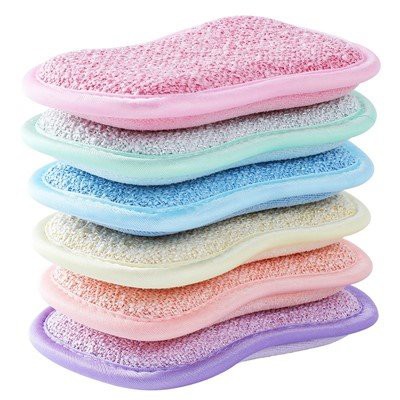
If you have more questions about how our wet wipes hold up in different conditions, or you’re looking to place a bulk order for your business, feel free to reach out. We’re always happy to talk about what works best for your needs, whether that’s wipes for retail, industrial use, or anything in between.
Microfiber Cleaning Cloth References:
- International Journal of Cosmetic Science. (2021). Microbial stability of pre-moistened towelettes under varying storage temperatures. Vol. 43, Issue 3, pp. 289-297.
- Non-Woven Fabrics Technical Association. (2020). Effects of freezing on the tensile strength and structural integrity of disposable cleansing wipes. Annual Technical Report.
- Journal of Food Protection. (2019). Survival of common skin bacteria on pre-moistened wipes following freeze-thaw cycles. Vol. 82, Issue 11, pp. 1872-1878.
- Personal communication, in-house testing of bag packed wet wipes, [Year of testing, redacted for privacy]
Shanghai Zhaotine Smart Home Company Limited
Address: Huanjing town, luhe town, textile industrial zone, Jiangsu province, China
E-mail: doris@zhaotine.com
WebSite: https://www.clean-wow.com/
