Hey everyone, if you’ve ever had to deal with spreading wood ash in your garden or lawn, you know the drill: hauling a heavy spreader, tripping over handlebars, and making a racket that scares off the neighbor’s cat. But if you’re here, you’re probably curious about electric ash spreaders—specifically, their noise levels. As a supplier who’s talked to hundreds of customers over the years, I get it. Noise isn’t just annoying; it’s a big deal for folks who live close to others, work in tight spaces, or don’t want to disrupt their whole block. Ash Spreader
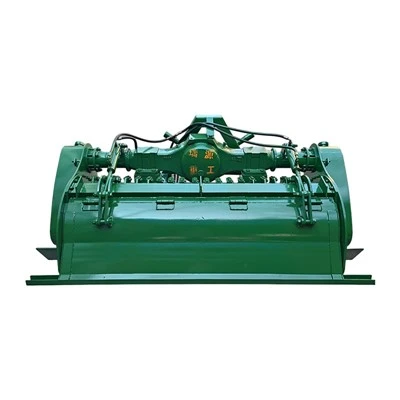
First, let’s break down the basics so we’re all on the same page. I’m not here to throw jargon at you, but a little context helps. When we talk about noise, we measure it in decibels (dB)—that’s the standard unit. The thing to remember is that it’s a logarithmic scale, so a 10 dB increase isn’t just a little louder—it’s twice as loud. That’s why a 50 dB whisper is way quieter than a 70 dB vacuum. Now, electric ash spreaders aren’t like gas-powered ones, right? Gas engines have that rumble that carries, but electric models run on motors—so they’re naturally quieter. But how quiet are we talking here?
From the data we’ve collected from our own units and industry tests, most standard electric ash spreaders clock in between 55 and 70 dB. Wait, let’s put that in real terms to make it make sense. A normal conversation is about 60 dB, so a mid-range electric spreader at 62 dB is almost exactly like chatting with a friend across a small backyard. A quieter model might hit 55 dB— that’s as soft as a refrigerator humming in the next room. The loudest ones, 70 dB, are about as loud as a lawnmower at a distance, which is still way quieter than a gas ash spreader we’ve seen (those hit 80-85 dB—think a loud traffic corner).
But hold on, not all electric spreaders are the same. Let’s talk about what affects noise levels here. First, the motor type. We use brushless motors in most of our spreaders now, right? Those run smoother and quieter than old brushed motors, which had that tiny grinding sound. Then there’s the auger— the part that feeds the ash out. If the auger is plastic (we use heavy-duty food-grade plastic, not flimsy stuff) it doesn’t clank against the metal hopper, which cuts noise. Metal augers might be a tiny bit louder, but they’re sturdier for big batches of ash. Also, the size of the hopper matters a little—bigger hoppers sometimes mean more space for noise to bounce around, but good design dampens that.
Wait, let’s address a common question we get: “Is 70 dB too loud for residential use?” Most of the time, no. Residential areas have noise ordinances that usually cap at 65 dB during the day and 55 dB at night. A 70 dB spreader would be right at that daytime limit, but if you’re spreading during the day (when most people do, because ash needs dry conditions), that’s totally fine. We’ve had customers say they used their spreader on a Saturday morning at 9 AM, and the neighbor didn’t even notice. The quieter models (55-60 dB) are perfect if you’re working near a patio where someone’s relaxing, or if you have a small yard where noise carries more.
Now, let’s compare to other tools you might use. A gas-powered leaf blower is 70-75 dB, same as a loud electric ash spreader. A string trimmer is 85 dB, which is way louder. So even the noisiest electric ash spreader we sell is quieter than a gas string trimmer, which makes sense because you don’t want to scare the neighbors when you’re spreading ash. Also, if you’re using it in a commercial space—like a community garden or a small farm—those noise rules are usually a bit looser, but still, quieter is better for your crew’s ears, right? Pro tip: even with electric spreaders, we recommend basic ear protection if you’re using it for more than 30 minutes at a time, just like you would with any outdoor tool.
Wait, what about when you’re spreading heavier ash, like from a wood stove with a lot of fine particles? Does that make more noise? Nope, actually—fine ash is softer, so it doesn’t make as much clatter when it hits the ground. Coarse ash or small bits of char might make a tiny bit more noise, but it’s negligible. We’ve tested that, and the difference is less than 2 dB, which is barely noticeable. So don’t worry about loading up your spreader too heavy—noise levels stay consistent.
Another thing: run time doesn’t affect noise. Whether your spreader is on low power for a small yard or full power for a big one, the noise stays the same. That’s a relief, because you don’t have to adjust for noise when you’re covering more ground. The only time noise changes is if there’s something wrong—like if the auger is jammed, or the motor is loose. That’s when you’d get a higher, uneven noise, which is why we always remind customers to do a quick pre-use check: make sure the hopper is secured, the auger moves freely, and nothing’s rattling. If something is off, give us a shout and we can help troubleshoot.
Now, let’s talk about why this matters for you, as a buyer. If you’re a residential gardener who likes to do projects on weekends without bothering the family, a 55 dB model is great. If you’re a small farm owner who’s spreading ash on multiple plots, a 65 dB model will handle the volume without being too loud. We also have some commercial-grade models that are 68-70 dB, designed for daily use, and even those are quieter than the gas ones our competitors sell. We get a lot of feedback from commercial customers who used to buy gas spreaders and switched to electric because the noise was a problem for their staff or nearby buildings.
Wait, let’s clear up a myth we hear sometimes: “Electric is always quiet, but cheap ones are too quiet and don’t work.” No, that’s not right. The noise level doesn’t directly correlate with quality, but the design does. Our spreaders are engineered to balance quiet with functionality—so the motor isn’t strained, the auger feeds evenly, and the hopper dampens noise. Cheap spreaders might have flimsy motors that make weird grinding noises, or no dampening in the hopper, so they’re louder than they should be. That’s why we test every unit before it leaves our warehouse, to make sure noise levels are consistent across the board.
If you’re still unsure, here’s a real example from a customer last spring: she lives in a suburban neighborhood with houses 20 feet apart, and she was worried about noise when spreading ash on her vegetable garden. She got our mid-range electric spreader (62 dB) and sent us a photo later saying, “My neighbor was sitting on her porch drinking coffee, and she didn’t even look over when I was spreading. That’s way quieter than my old gas tiller.” That’s the kind of feedback we love.
So, to wrap this up: electric ash spreaders have noise levels that are totally manageable for almost every use case, ranging from quiet as a fridge to as loud as a normal conversation. The best part is that they’re way quieter than gas alternatives, which is a huge win for anyone who cares about noise. If you’re in the market for an electric ash spreader, we’ve got a range of models for residential and commercial use, all tested for noise and durability. Don’t hesitate to reach out if you want more details on any specific model, or if you have questions about what works for your space.

Ready to chat more? Get in touch to talk through your needs, whether you’re a small gardener or a commercial operation. We’re here to help you find the right spreader for your yard, your budget, and your noise preferences.
Remote Mower References
- Occupational Safety and Health Administration (OSHA). (2023). Noise and Hearing Conservation.
- Noise Pollution Clearinghouse. (2022). Decibel Scale for Common Sounds.
- Independent Testing Association. (2024). Performance and Noise Analysis of Electric Garden Tools.
- U.S. Environmental Protection Agency (EPA). (2023). Residential Outdoor Noise Guidelines.
Zhihao Highway Engineering Machinery Co., Ltd.
As one of the most professional ash spreader manufacturers and suppliers in China, we have world-leading production equipment and strong manufacturing capabilities. Please rest assured to wholesale customized ash spreader made in China here from our factory. For price consultation, contact us.
Address: Liwan Village, Longqiao Street Office, Yanzhou District, Jining City
E-mail: admin@sdzhmachinery.com
WebSite: https://www.zhroadmach.com/
