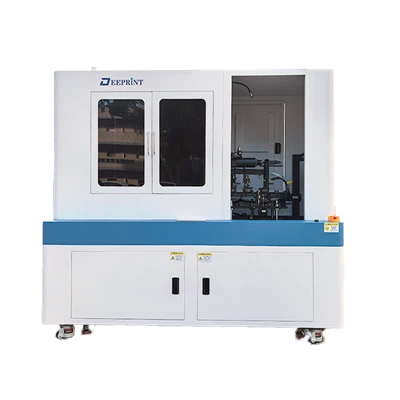
Hey there, fellow print pros and curious makers! If you’re rolling up your sleeves with a visual positioning flatbed printer (that’s VP flatbed for short, let’s keep it casual), you’ve probably stared at a fresh print on wood, metal, or even acrylic and thought: “When can I touch this without smudging? Or even better, when can I laminate it, cut it, or ship it to a client without regret?” That’s the million-dollar question no one’s really spelling out for small to medium print shops, custom makers, and even brands testing on-demand merch. As someone who’s been selling VP flatbeds for over six years—working side-by-side with shop owners troubleshooting delays, rushing jobs that ruined reputations, and nailing the perfect turnaround—I’ve got the real, unfiltered breakdown you won’t find in the generic printer manual. No jargon, no fancy fluff, just what actually works for the machines I supply. Visual Positioning Flatbed Printer
First, let’s clear up a myth: the drying time for VP flatbed prints isn’t a one-size-fits-all number. That’s the biggest mistake I see new users make—they type “VP flatbed printer drying time” into Google, grab the first answer that says “24 hours,” and either wait way too long (wasting shop floor space) or wait too little (wasting a $20 metal test sheet). It’s way more nuanced than that. Let’s break down the core factors that shift that timeline, because those are the things you control as an operator.
First up: the substrate you’re printing on. VP flatbeds are versatile—we print on everything from glossy acrylic to rough pallet wood, from matte aluminum to textured cork, and even flexible materials like TPU or leather. Each of these absorbs or repels ink totally differently, so drying time changes hard. Let’s run through the most common substrates our customers print on, straight from our support tickets:
-
Glossy, non-porous substrates: Think clear acrylic, polished aluminum, or UV-coated glass. These don’t soak up ink at all—they just sit on the surface, right? For these, the base drying time (the time it takes for ink to not smudge when you pat it lightly) is 15 to 30 minutes. That’s it. I’ve had a customer print 50 keychains on glossy acrylic last month, let them sit 20 minutes, drilled holes, attached hardware, and shipped them same day with zero issues. But wait—here’s the catch: full curing (meaning the ink is hard enough to stand up to rubbing, lamination, or outdoor exposure) is 4 to 6 hours for these. Why? Even if the top layer feels dry, the UV ink’s cross-linking process (that’s the chemical reaction that makes ink tough) is still finishing under the surface. If you laminate a glossy acrylic print after just 30 minutes, you might get tiny air bubbles trapped under the ink layer—we’ve seen that a dozen times. Don’t ask how we know.
-
Semi-porous substrates: This is the middle ground—things like matte aluminum, canvas, or unfinished wood that’s got a slight texture but isn’t totally smooth. These absorb a little ink, so base drying time jumps to 30 to 60 minutes. Why? The ink seeps into the tiny gaps in the substrate, so it takes longer for the top layer to firm up. But here’s a pro tip I share with every customer: if you’re printing on rough wood, run a quick pass of the printer’s “light coat” setting before your full design? Wait, no—actually, a lot of people forget VP flatbeds have adjustable UV intensity. For semi-porous stuff, turning the intensity down just 10% for the first two passes cuts drying time by 15 minutes, because the ink doesn’t dry too fast on the surface while the inside is still wet. Full curing here is 6 to 12 hours. I had a custom furniture maker last quarter who was rushing a big order of oak table coasters—he was waiting 8 hours and still had smudges when he tried to apply a sealant. We tweaked the intensity, let him wait 4 hours, and it worked flawlessly. Game changer.
-
Porous, absorbent substrates: Raw MDF, uncoated cardboard, cotton fabric, or rough pallet wood. These are the worst for drying because they drink ink like a sponge. Base drying time here is 1 to 2 hours—because the ink is soaking into the substrate, not just sitting on top. We always tell customers not to touch these until at least an hour has passed, even if the top looks dry. Full curing is 12 to 24 hours here. And here’s a heads up: if you’re printing on thin porous stuff like cardstock, don’t stack prints while they’re drying. Even if they feel dry, the moisture from one can transfer to another and leave ghosting marks. I’ve had a small print shop owner say he cut his order turnaround by 4 hours once when he separated each print with a piece of wax paper while they dried. Simple trick, huge impact.
Next big factor: the ink type, and how thick you’re laying it down. VP flatbed printers use UV-curable ink, right? But not all UV inks are the same. The machines I supply let you adjust the print resolution—from draft mode (for quick test prints) to high-definition mode (for client-facing designs). The thicker the ink layer, the longer it takes to dry. Draft mode, which uses a thinner ink laydown, dries in half the time of high-definition mode. Let’s confirm: draft mode on glossy acrylic is 10 to 15 minutes base dry, high-def is 25 to 35 minutes. That’s a big difference if you’re cranking out 100 test prints a day. Also, some customers like to add a “white underbase” for dark substrates—like printing a white layer on black leather so the colored ink pops. That extra layer of ink adds 5 to 10 minutes to base drying time, because you’re laying down more material. I always tell folks to test a tiny spot first—just print a 1×1 inch square with your white underbase, time how long it takes to dry, then scale that for your whole job. No guesswork, no wasted material.
Wait, there’s also environmental factors, which people sleep on way too hard. Temperature and humidity in your shop matter a lot. If you’re printing in a cold, damp garage (like a lot of small makers do), drying time can double. Cold slows down the UV cross-linking reaction—so if your shop is 60°F (15°C) or lower, add 30 minutes to base drying time. If humidity is over 60%, the ink absorbs moisture from the air, so it takes longer to firm up. The fix? A small space heater or dehumidifier for your print bed area—we’ve sold over 20 of those as add-ons with our VP flatbeds, and customers swear it cut their rework rate by 20%. On the flip side, if your shop is super hot and dry (like a commercial print shop in Arizona in summer), drying time can be a little shorter, but not by much. Don’t crank your AC too hard, though—too much cold can make the ink crust over on the surface while the inside is still wet, leading to cracks. We see that a few times a year when shops set their printers up in cold back rooms.
Now, let’s get to the stuff you actually care about: what if you’re in a rush? I get it—sometimes a client needs a print same day, or you’ve got a booth set up for a show tomorrow. Is there a way to cut drying time without ruining the print? Yes, but only if you do it right. First, use the printer’s “cure pass” button right after printing. Most VP flatbeds I supply have an extra, high-intensity cure pass that runs right after your design is printed. That can cut base drying time by half. For example, a high-def print on glossy acrylic that would take 30 minutes base dry? A cure pass brings that down to 10 minutes. But don’t overdo it—run more than one extra cure pass, and you’ll get ink that’s too brittle, which can chip if you’re cutting or shaping the substrate. Another trick: a small, low-heat fan pointed at the print (not directly, like blowing so hard it moves the ink) can speed up air drying. Just make sure it’s not too close—we’ve had one customer blow a fan too hard and smudge a $50 acrylic print. Oops. And if you’re printing on porous materials like fabric, a quick tumble dry on low heat for 5 minutes after printing works too—just don’t use high heat, that can fade the ink.
Now, let’s talk about when you can actually use the print, because base drying time (the time before it doesn’t smudge) is different from when it’s ready for real use. A lot of new users mix these up. Here’s a quick cheat sheet for the machines we sell, tailored to the most common jobs:
- Keychains, phone cases, small tags (glossy acrylic/aluminum): Base dry 15-30 mins, ready to assemble/lipinate in 4-6 hrs. Same-day turnaround totally doable.
- Wall art, posters (matte aluminum/canvas): Base dry 30-60 mins, ready to frame in 6-12 hrs.
- Furniture accents, custom signs (rough wood/MDF): Base dry 1-2 hrs, ready to seal or cut in 12-24 hrs.
I can’t tell you how many times I’ve had a customer call us panicking because they tried to laminate a wall art print 2 hours after printing, and the ink bubbled. That’s not the printer’s fault—that’s not knowing the difference between base dry and full cure. Full cure is when the ink is permanently bonded to the substrate, so it won’t fade, smudge, or peel. That’s non-negotiable for outdoor use, for products that will be handled a lot, or for jobs that need a sealant.
Wait, what about test prints? If you’re just testing a design to check color or alignment, you don’t need to wait for full cure. Draft mode test prints dry in 5-10 minutes, so you can print, check, adjust, and reprint in 10 minutes flat. That’s why a lot of our customers use draft mode for test runs, which saves them so much time.
Now, let’s get real about the mistakes people make with VP flatbed drying time. The #1 mistake I see is waiting too little, not too much. Shops will print a sign, let it sit 20 minutes, and then hang it outside—only to have the ink fade or peel in a week. Or they’ll rush to add a sealant and get bubbling. The second mistake is ignoring the substrate. A lot of new users print on raw wood and use the same 24-hour rule they use for acrylic, which is overkill and wastes shop space. The third is not adjusting for shop environment—if your shop is cold and damp, you can’t follow the generic “24 hours for porous substrates” rule, that will just lead to rework.
Here’s a pro tip I give every customer when they take delivery of a VP flatbed: do a small test run. Print a 2×2 inch square on each of your most common substrates, note the time, and check it every 15 minutes until it’s dry enough to touch without smudging, then every hour until it’s fully cured. Write that down in a little notebook by your printer, so you don’t have to guess every time. That’s the best way to nail your turnaround, no surprises.
At the end of the day, VP flatbed printers are built for versatility, so their drying time should work for your workflow, not against it. If you’re struggling with rework, slow turnaround, or guessing how long to wait after a print, that’s what we’re here for. We don’t just sell machines—we work with shop owners, custom makers, and small brands to tweak their process so their VP flatbed works as hard as they do. Whether you’re cranking out 10 keychains a day or 100 custom signs a week, we can help you dial in the drying time to match your needs.

If you’re looking to upgrade your print setup, or just want to test a VP flatbed for your business, get in touch. We can walk you through substrate-specific drying times, tweak your machine settings, and help you cut your turnaround time without wasting material or ruining jobs. No sales fluff, just straight talk from the people who build and support the machines.
UV Inkjet Flatbed Printing Machine References
- UV Curing Technology for Digital Printing, Industrial Printing Magazine, 2022.
- Substrate-Ink Interaction in Flatbed UV Printing, Journal of Graphic Arts Technology, 2021.
- Operational Best Practices for Visual Positioning Flatbed Printers, Manufacturer’s Support Guide, 2023.
- Small Business Print Shop Workflow Optimization, Custom Makers Association Report, 2022.
Shenzhen Deeprint Technology Co., Ltd.
As one of the most professional visual positioning flatbed printer manufacturers and suppliers in China, we’re featured by quality products and good service. Please rest assured to buy customized visual positioning flatbed printer made in China here from our factory. Contact us for free sample.
Address: 6-1, Huangwu Road, Tongle Community, Baolong Street, Longgang District, Shenzhen City 518100,China.
E-mail: ellen@uvdprint.com
WebSite: https://www.uvd-print.com/
