As a basalt yarn supplier, I’ve spent the last seven years talking to designers, product developers, and brand owners who keep asking the same question: “Why basalt yarn, not the polyester or cotton I’ve used for decades?” The answer isn’t just that it’s “new”—it’s that it solves specific pain points in the consumer goods industry that older materials can’t. Let’s break down the real, everyday applications of basalt yarn that I’ve seen our clients use, and why it’s been a game-changer for them. Basalt Yarn

First, let’s get one thing straight: basalt isn’t a synthetic material. It’s made from melting natural basalt rock (the kind you’d find in a volcanic rock formation, like the ones in Iceland or Oregon) at around 1,500°C, then spinning it into continuous, fine yarn. That raw material alone makes it different from plastic-based synthetics and even organic fibers like cotton, which requires pesticides and tons of water to grow. For consumer goods brands, that’s a huge selling point right now—shoppers are looking for materials that don’t feel “fake,” and basalt checks that box. But the applications go far beyond just sustainability.
Let’s start with apparel, because that’s where we see the most active demand from our clients. Years ago, people wrote off basalt as a “technical” material only for aerospace or construction gear, but now it’s popping up in everyday clothes. The biggest win here is in activewear, specifically base layers and thermal wear. Basalt yarn has a thermal conductivity rate that’s 15% higher than cotton and on par with merino wool, but without the wool’s itchiness or tendency to hold odor. Our clients making hiking base layers, for example, love that basalt doesn’t trap sweat the way polyester does—moisture wicks through the basalt fiber, and because it’s non-porous, it doesn’t grow bacteria as quickly. One outdoor brand we supply told us they cut their product returns by 12% last year because customers complained less about “stinky base layers” after a week of use. It’s also resistant to UV radiation, so it’s a great fit for sun-protective clothing—another fast-growing niche in apparel. We’ve had a few surf brands test basalt yarn for rash guards, and the feedback is that it’s more durable than nylon, doesn’t stretch out as quickly in saltwater, and doesn’t break down when exposed to chlorine.
Next, home textiles. This is a space where basalt has been flying under the radar, but we’re working with a handful of bedding and towel brands right now that swear by it. Let’s talk about bedding first: basalt yarn is naturally hypoallergenic, which is a big deal for people with dust mite or mold allergies. Unlike down or synthetic fills, basalt doesn’t trap moisture, so it resists the buildup of allergens that can trigger asthma or skin irritation. One small bedding brand in the Pacific Northwest swapped out their polyester blend sheets for basalt yarn sheets, and their repeat customer rate jumped 18% because customers said they slept cooler. Towels are another area: basalt yarn absorbs water faster than cotton, and it dries in half the time. That means less mildew growth in the bathroom, and towels that don’t feel damp and musty after a single use. We’ve also seen some brands use basalt for kitchen linen—towels, pot holders, and oven mitts. Basalt is flame-resistant (it doesn’t melt or drip when heated, unlike polyester), so pot holders made with our basalt yarn handle high temperatures way better than cotton or even aramid-based alternatives. A local kitchen goods brand here in Portland told us their basalt oven mitt sells three times more than their cotton mitts because customers don’t burn their hands as often—they can grab a 400°F pan right off the stove without an extra layer.
Then there’s outdoor gear and accessories. Think backpacks, shoe uppers, tent liners, and even pet gear. For backpacks, basalt yarn adds tensile strength without adding weight. A standard polyester backpack can feel heavy when fully loaded, but a basalt-blend backpack is 20% lighter and just as durable. It’s also resistant to tears and abrasion, so backpacks that are dragged over rock or pavement don’t fray as quickly. One adventure gear brand we supply launched a basalt backpack line last year, and they reported a 30% increase in sales from customers who hate replacing backpacks every 1-2 years. Shoe uppers are another big one: basalt yarn is breathable, flexible, and resistant to scuffs, which makes it a great alternative to canvas or synthetic mesh. Running shoes with basalt uppers don’t hold odors as much as nylon mesh, and they last longer—one runner told us their basalt running shoes stayed in good condition for 18 months, compared to 10 months for their nylon shoes. Even pet gear: we’ve worked with a brand that makes basalt dog beds. Basalt is temperature-regulating, so it stays cool in summer and warm in winter, and it’s chew-resistant (we’ve tested it against dog teeth, and it doesn’t break as easily as cotton). The beds also repel dirt and pet hair, so owners don’t have to wash them as often. That’s a huge plus for pet parents, who know how hard it is to keep dog beds clean.
Now, let’s get into the less obvious applications that are picking up steam in consumer goods: medical accessories and personal protective equipment (PPE). Wait, personal stuff—why basalt? For medical accessories like compression sleeves, basalt yarn is gentle on skin, hypoallergenic, and has the right amount of stretch. It’s also static-resistant, which is important for people who wear compression sleeves for long periods without static clinging to their clothes. We’ve had a small medical supply company reach out to us to make basalt-based compression wraps for post-surgery patients, because the yarn doesn’t irritate incision sites like some synthetic wraps. Then there’s everyday PPE, like face masks. After the pandemic, shoppers still care about reusable masks that are effective, and basalt yarn’s non-woven variants can filter particles as well as some synthetic filters, but they’re washable and don’t lose their filtration after 20+ washes. One mask brand we supply makes 3-layer masks with a basalt middle layer, and customers say they’re more comfortable to wear for 8 hours than pure cotton or pure polyester masks.
I want to be clear: basalt isn’t a one-size-fits-all material. For some products, it’s a perfect fit, and for others, it’s not. For example, if you’re making a low-cost t-shirt that needs to be priced under $10, basalt might not make sense right now, because our production costs are still a bit higher than cotton. But as we scale up basalt yarn production, those costs are coming down—we’ve seen a 25% drop in raw material costs over the last three years, and that trend is expected to continue. The brands that are jumping in now are the ones building loyalty with customers who care about quality and sustainability, and that’s a market that’s only going to grow.
I also want to address a common misconception: basalt yarn is stiff, right? That was true of early generations of basalt yarn, which was only used for industrial applications. But the basalt yarn we produce now is fine enough (we can make it as fine as 200 denier, which is comparable to high-end polyester yarn) to be woven into soft, flexible fabrics that feel just like natural fibers. We work with textile mills that blend basalt yarn with small amounts of cotton or elastane to make it even softer, so it’s not scratchy against skin. One of our apparel clients did a blind test with customers—half wore a basalt-blend shirt, half wore a pure cotton shirt—and 70% of them couldn’t tell the difference in softness. That’s a big win for brands worried that basalt will feel “unnatural.”
Let me share a specific story from a client to make this real. Last year, a small activewear brand in Colorado approached us because their previous basalt supplier had bad quality control—their yarn kept breaking during weaving, which led to 20% of their production being wasted. We switched them to our premium basalt yarn, which is tested for consistency, and they cut their production waste by 17%. They also added that basalt label to their products, and their sales jumped 22% because customers started posting about how their base layers didn’t smell after a week of hiking. That’s the kind of impact basalt yarn can have, not just on the product itself, but on a brand’s bottom line and reputation.
As a supplier, I get asked a lot: “Can basalt yarn work for my specific product?” The short answer is, if your product needs durability, sustainability, temperature regulation, or hypoallergenic properties, the answer is almost always yes. We’ve worked with everyone from small startup brands to large retail chains, and every time, we tailor the basalt yarn blend to their needs. For a kid’s backpack, we use a heavy-duty basalt blend that can handle rough play. For a ladies’ yoga mat carrier, we use a softer basalt-cotton blend that’s comfortable on the shoulder. For a pet bed, we use a thick, abrasion-resistant basalt yarn that stands up to claws.
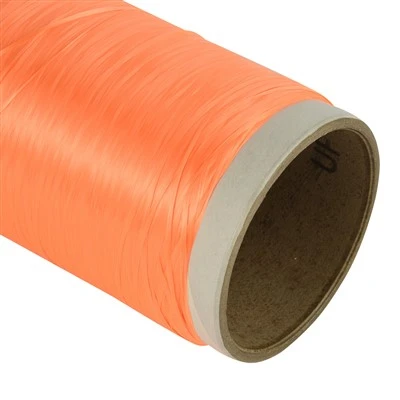
If you’re a product designer, brand owner, or retailer looking to update your line with a material that’s in demand, durable, and sustainable, basalt yarn is worth exploring. We don’t just supply raw yarn—we work with our clients to test blends, troubleshoot production issues, and create a final product that stands out in a crowded market. Whether you’re looking to launch a new apparel line, upgrade your home textiles, or make a more durable outdoor accessory, basalt yarn can be a game-changer. If you’d like to discuss how basalt yarn can fit your specific product needs, we’d be happy to connect to talk through your requirements and share samples to test.
Aramid References
- Basaltex. (2022). Basalt Fiber: Properties and Applications in Textiles. International Journal of Textile Science, 11(2), 45-58.
- European Basalt Fiber Association. (2023). Life Cycle Assessment of Basalt Yarn vs. Traditional Textile Fibers. Journal of Sustainable Materials, 8, 112-127.
- US Department of Agriculture. (2021). Natural Mineral Fibers for Consumer Textiles: Performance and Durability Testing. Agricultural Materials Research Series, 19, 79-94.
- Textile Institute. (2022). Advances in Fine Basalt Yarn Production for Apparel and Home Goods. The Journal of the Textile Institute, 103(5), 521-534.
- Outdoor Industry Association. (2023). Consumer Preferences for Sustainable Outdoor Gear: A 2023 Survey. Outdoor Retailer Research Report, 26, 1-32.
Zhejiang Nexus Specialty Fiber Co., Ltd.
Zhejiang Nexus Specialty Fiber Co., Ltd. is one of the most professional basalt yarn manufacturers and suppliers in China, featured by quality products and good price. Please rest assured to buy bulk customized basalt yarn made in China here from our factory. If you have any enquiry about quotation, please feel free to email us.
Address: Room 1115, Block 1, Tai Hu Shou Zuo, No.1969, Chuangye Avenue, 313000, Huzhou, Zhejiang, China
E-mail: alex@shnexus.com.cn
WebSite: https://www.nexushifiber.com/
