Endoscopy biopsy forceps are essential tools in the field of endoscopy, playing a crucial role in the diagnosis and treatment of various diseases. As a supplier of endoscopy – related equipment, I have witnessed firsthand the importance and functionality of these remarkable instruments. In this blog, I will delve into the working mechanism of endoscopy biopsy forceps, shedding light on how they operate within the human body to obtain tissue samples for further examination. Endoscopy Related Equipments
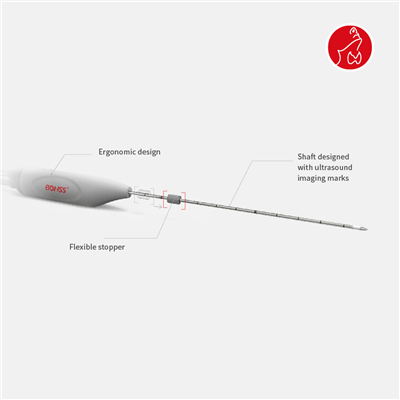
Introduction to Endoscopy Biopsy Forceps
Endoscopy biopsy forceps are designed to be used in conjunction with endoscopes, which are flexible or rigid tubes equipped with a light source and a camera. They are inserted through the working channel of the endoscope, allowing physicians to access and collect tissue samples from internal organs such as the digestive tract, respiratory system, and urinary tract. These samples are then sent to a laboratory for histological analysis, which can provide valuable information about the presence of diseases like cancer, inflammation, and infections.
Components of Endoscopy Biopsy Forceps
To understand how endoscopy biopsy forceps work, it is essential to familiarize ourselves with their main components.
- Outer Sheath: The outer sheath is a thin, flexible tube that protects the internal components of the forceps and allows them to be inserted smoothly through the endoscope’s working channel. It is typically made of materials such as stainless steel or plastic, which are biocompatible and resistant to corrosion.
- Control Cable: The control cable runs through the outer sheath and is connected to the handle of the forceps. It enables the operator to control the opening and closing of the forceps jaws from the outside of the body.
- Jaws: The jaws are the most critical part of the biopsy forceps. They are designed to grasp and cut tissue samples. The shape, size, and design of the jaws can vary depending on the specific application and the type of tissue being sampled. For example, some jaws are designed to be sharp and pointed for cutting through hard or fibrous tissue, while others are more rounded and blunt for gentle tissue sampling.
- Handle: The handle is where the operator holds and manipulates the forceps. It usually has a mechanism that allows the operator to control the movement of the jaws, such as a thumb – operated lever or a rotating knob.
Working Mechanism
The working mechanism of endoscopy biopsy forceps can be divided into several steps:
Insertion
First, the endoscope is carefully inserted into the patient’s body through a natural orifice, such as the mouth, anus, or nose. Once the endoscope reaches the target area, the biopsy forceps are then inserted through the working channel of the endoscope. The outer sheath of the forceps ensures a smooth and atraumatic insertion, minimizing the risk of damage to the surrounding tissues.
Positioning
Using the camera on the endoscope, the physician can visualize the area of interest and position the biopsy forceps precisely over the target tissue. This is a critical step, as accurate positioning is essential for obtaining a representative tissue sample. The physician can use the controls on the endoscope to adjust the angle and direction of the forceps, ensuring that they are in the optimal position for sampling.
Opening and Closing of the Jaws
Once the forceps are properly positioned, the operator uses the handle to control the opening and closing of the jaws. By manipulating the control cable, the operator can open the jaws wide enough to grasp the target tissue. When the jaws are closed, they exert a certain amount of pressure on the tissue, allowing them to cut or grasp a small piece of it.
The design of the jaws is crucial for effective tissue sampling. Some jaws are serrated, which helps to grip the tissue more securely and prevent it from slipping out during the sampling process. Others have a cutting edge, which can be used to slice through the tissue cleanly.
Retrieval of the Tissue Sample
After the tissue sample has been successfully obtained, the operator carefully withdraws the biopsy forceps through the endoscope’s working channel. The tissue sample remains trapped between the closed jaws of the forceps. Once the forceps are outside the patient’s body, the operator can open the jaws and remove the tissue sample for further processing and analysis.
Factors Affecting the Performance of Endoscopy Biopsy Forceps
Several factors can affect the performance of endoscopy biopsy forceps:
- Tissue Type: Different types of tissues have different physical properties, such as hardness, elasticity, and density. For example, fibrous tissues like those found in tumors or scar tissue can be more difficult to sample compared to soft, glandular tissues. The design of the biopsy forceps, including the shape and sharpness of the jaws, needs to be selected according to the tissue type to ensure successful sampling.
- Size and Shape of the Target Area: The size and shape of the area from which the tissue sample is to be taken can also pose challenges. In some cases, the target area may be small or difficult to access, requiring the use of forceps with smaller jaws or a more flexible design.
- Operator Skill: The skill and experience of the operator play a significant role in the success of the biopsy procedure. A skilled operator can accurately position the forceps, apply the appropriate amount of pressure, and manipulate the forceps to obtain a high – quality tissue sample.
Importance in Medical Diagnosis
Endoscopy biopsy forceps are of utmost importance in medical diagnosis. Tissue samples obtained using these forceps can provide crucial information about the nature of a disease, such as the type of cancer, the stage of the disease, and the presence of infection. This information is essential for formulating appropriate treatment plans and predicting the prognosis of the patient.
For example, in the case of gastrointestinal cancer, a biopsy can help determine whether the cancer is benign or malignant, the type of cancer cells present (e.g., adenocarcinoma, squamous cell carcinoma), and the extent of the disease. Based on these findings, doctors can decide on the most suitable treatment options, which may include surgery, chemotherapy, or radiation therapy.
Quality and Innovation in Endoscopy Biopsy Forceps
As a supplier of endoscopy – related equipment, we understand the importance of providing high – quality biopsy forceps. We are committed to sourcing products from manufacturers who adhere to strict quality control standards. Our forceps are made from high – grade materials to ensure durability, sharpness, and corrosion resistance.

In addition, we keep track of the latest technological advancements in the field of endoscopy biopsy forceps. New designs are emerging all the time, such as forceps with improved jaw designs for better tissue sampling, and forceps with enhanced control mechanisms for more precise operation. By offering innovative products, we aim to meet the evolving needs of medical professionals and improve the efficiency and effectiveness of biopsy procedures.
Contact for Procurement and Collaboration
Sports Medicine RF Plasma Surgical Systems If you are a medical institution, a healthcare provider, or a distributor interested in procuring endoscopy biopsy forceps or other endoscopy – related equipment, we would be delighted to hear from you. Our team of experts is ready to provide you with detailed product information, competitive pricing, and excellent after – sales service. We believe that our high – quality products and professional services can contribute to the success of your medical practice and the well – being of your patients. Please reach out to us for further discussions and to explore potential business opportunities.
References
- Boey, J., & Hameed, S. I. (Eds.). (2019). Textbook of Endoscopy: Clinical Practice of Gastrointestinal endoscopy. Springer Singapore.
- Lightdale, C. J., & Gostout, C. J. (2003). Principles and Practice of Endoscopy. Lippincott Williams & Wilkins.
- Yamamoto, H., & Shikuwa, S. (2017). Endoscopic Diagnosis and Treatment of Early Cancer. Springer.
Jiangsu Bonss Medical Technology Co., Ltd.
As one of the most professional endoscopy related equipments manufacturers and suppliers in China, we’re featured by quality products and good price. Please rest assured to buy bulk endoscopy related equipments for sale here from our factory. Customized orders are welcome.
Address: Building #7,No.898,China Medical City Avenue, Haling District, Taizhou City.Jiangsu P.R. China
E-mail: inquiry@plasma-surgical.com
WebSite: https://www.bonssmedical.com/
