Hey there, fellow parents and caregivers—let’s cut to the chase: if you’ve ever wrestled a full-size bulky stroller onto a crowded subway, juggled a squirming toddler, a coffee cup, and a diaper bag while fumbling with a stroller brake, you know exactly why this question matters so much. As a stroller supplier, I’ve talked to hundreds of parents who’ve dealt with public transit chaos, and the answer isn’t some fancy luxury model or the cheapest thing you can find. It’s about balancing three non-negotiables: maneuverability in tight spaces, portability when stairs or overcrowded cars are in play, and durability to survive the occasional bumpy sidewalk or transit line’s uneven platform. Baby Stroller

Let’s start with the biggest pain point for public transit: space. I’ve seen parents get stuck in the middle of a subway car because their stroller is wider than the aisle, blocking other passengers from sitting or standing. For narrow transit aisles (think most U.S. subway cars, London Underground trains, or European trams), the sweet spot is a stroller with a total width of 22 to 24 inches. Any wider than that, and you’re basically a human roadblock—even if you fold it down nice. A lot of standard full-size strollers clock in at 26+ inches, which is a non-starter for cities like New York or Paris where every inch of aisle space counts.
Maneuverability ties right into that width, but it’s not just about size. Swivel wheels are a game-changer here—lockable swivel wheels, specifically. When you’re gliding through a transit station’s turnstile or weaving between a group of people waiting for a bus, unlocked swivels make the stroller feel like an extension of your arm, not a separate object that fights you every step. But when you’re rolling it over rough sidewalks or curbs, locking those wheels into place keeps it stable so your little one doesn’t lurch forward. I can’t tell you how many parents I’ve worked with who regretted skipping lockable swivels—one mom in Chicago told me she ended up picking up a runaway stroller after she forgot to lock the wheels while rolling it onto a Red Line train.
Portability is the next big thing, because let’s be real: most public transit stops aren’t curbside with level boarding and elevators every time. You might have to carry your stroller down a flight of stairs, fold it in a tight overhead compartment on a bus, or stow it under a seat that’s barely big enough for a backpack. That means a stroller that folds quickly (one-hand fold is non-negotiable, especially if you’re holding a toddler or a bag) and light enough to carry for 10 to 15 minutes without your arm giving out. We’ve tested a lot of strollers over the years, and the sweet spot for weight is 15 to 20 pounds. Anything heavier than that, and carrying it up a subway station’s stairs after a long day with a kid is just cruel. Also, look for strollers that fold into a compact, upright shape—not one that collapses into a lumpy, round mess that takes up half your backpack space. A lot of city parents love strollers that fold into a shape small enough to fit in the overhead bin of a regional train or a domestic flight, which is a bonus if you travel with transit too.
Wait, but can we forget about the kids? A stroller for public transit still needs to be comfortable for your little one, right? You’re not just moving a bag—you’re transporting a human who might nap, eat a snack, or have a meltdown mid-commute. So look for a seat that’s adjustable—you want it to be able to lay almost flat for a napping baby, and sit upright for an older kid who wants to look out the window. Also, a good canopy is key: subway stations and bus stops can get drafty, and the glare from the sun coming through a train window is brutal for a baby’s eyes. A UPF 50+ canopy that extends far enough to cover the whole seat is a must—avoid those tiny, flimsy ones that only cover half the baby’s head. And don’t sleep on the storage basket. When you’re out with transit, you’re carrying a ton of stuff: diapers, wipes, snacks, a change of clothes, maybe a sippy cup. The basket needs to be big enough to hold all that, but not so low that it drags on the ground when you’re rolling over curbs. A lot of cheap strollers have tiny baskets that can barely hold a pack of wipes, which means you end up carrying a backpack and juggling the stroller—double the hassle.
Now, let’s talk about what to avoid. First, don’t go for a stroller with big, all-terrain wheels if you’re only using it for public transit. Those wheels are great for parks and sidewalks, but they make the stroller wider, heavier, and harder to fold. We once had a dad come back to us with an all-terrain stroller he bought because he thought it was “better for city life”—he told us it got stuck three times trying to fit through a subway turnstile, and he ended up selling it after a month. Second, avoid strollers that require two hands to fold. If a bus pulls up and you’re holding a toddler with one hand, you need to fold that stroller in one move. Anything more is just a recipe for dropping something (or someone) or fumbling while the bus door closes. Third, skip the extra fancy add-ons that you don’t need for public transit. Built-in cup holders for two? A detachable bassinet? A full-size snack tray? All those add extra weight and bulk, which is the last thing you need when you’re navigating transit.
Wait, what about weight limits? A lot of parents forget that strollers have weight limits, especially for toddlers who love to stand up in them while moving. If your kid is 30 pounds and the stroller’s weight limit is 35, that’s a problem—they’re going to be wobbly on uneven transit floors, and the stroller might tip. Look for a stroller with a weight limit of at least 50 pounds, which works for most kids up to age 5, when they might not even need a stroller as much.
Let’s get real about real-world testing, too. We send every stroller we sell to at least three parents who use it for public transit in different cities: one in New York, one in Tokyo, one in Mexico City. The feedback is always the same: the best stroller isn’t the one with the most features, it’s the one that works for the specific chaos of your city’s transit. For example, in Tokyo, their trains are super narrow, so a stroller under 22 inches is non-negotiable. In New York, stairs are common, so light weight and easy one-hand fold are more important than tiny width. In Mexico City, the sidewalks are bumpy, so you need sturdier wheels that still stay compact.
A common question we get is: what about umbrella strollers? A lot of people think umbrella strollers are the only option for transit, and yeah, they’re light and fold small, but a lot of them are flimsy, have tiny wheels, and bad storage. If you go the umbrella stroller route, make sure it has lockable swivel wheels, a decent basket, and a weight limit that works for your kid. But we always tell parents that a mid-range stroller (not a luxury model, not the cheapest) is often better because it balances portability, maneuverability, and durability.
Another thing: compatibility with transit rules. A lot of cities have rules about strollers on public transit—some require them to be folded during rush hour, some have size limits. For example, the London Underground requires strollers to be folded at peak times (7-9 AM, 5-7 PM on weekdays), so a stroller that folds quickly is essential there. We make sure all the strollers we supply are labeled with their folded dimensions, so parents can check ahead of time if their transit line has specific rules.
Now, let’s talk about what we’ve seen work best over the years. We had a family in Boston who commuted on the T every day with their two kids (a 1-year-old and a 3-year-old) and they used one of our mid-range transit strollers for two years. They told us it fit through every turnstile, folded in two seconds so they could catch the train before the doors closed, and the seat was big enough for both kids (wait, no, they had a tandem, but that’s a different thing). No, wait, the one they used was a single stroller, 22.5 inches wide, 18 pounds, one-hand fold, lockable swivel wheels. They said they never had a problem with it—they even used it on the commuter rail to visit family in another state. That’s the kind of win we love to hear about.
What about common mistakes parents make? I mentioned width, but another big one is not testing the stroller’s maneuverability before buying. A lot of people order strollers online without testing them, and when they get it, they realize it’s too wide for their city’s transit. We always tell customers to go to a local baby store, push the stroller around a tight space (like a hallway or a small room), and see how it feels. If it feels heavy or clunky when you’re pushing it, it’s not going to work for transit.
Also, don’t forget about the stroller’s brakes. A lot of cheap strollers have flimsy brakes that don’t hold well on sloped transit platforms. You want a brake that’s easy to press with one foot, so you don’t have to bend down every time you stop on an incline. That’s another small feature that makes a huge difference for transit use.
Let’s wrap this up, because I know you’re probably tired of reading about stroller specs (I could talk about this all day, though). The best stroller for public transportation isn’t a one-size-fits-all, but there are core things to look for: 22-24 inch width, lockable swivel wheels, 15-20 pound weight, one-hand quick fold, adjustable seat with a good canopy, and a sturdy enough basket for your stuff. Skip the bulky all-terrain models, the two-hand fold ones, and the ones with unnecessary fancy add-ons.
At the end of the day, public transit should make life easier, not harder—especially when you have a kid with you. If you’re a parent, caregiver, or even a school district looking to stock strollers for daycare use, and you want to chat about what works best for your city’s transit, reach out. We supply durable, transit-friendly strollers that are tested by people who actually use them on buses, trains, and trams every day. No overpriced luxury junk, just solid strollers that make navigating public transit with a kid way less stressful.
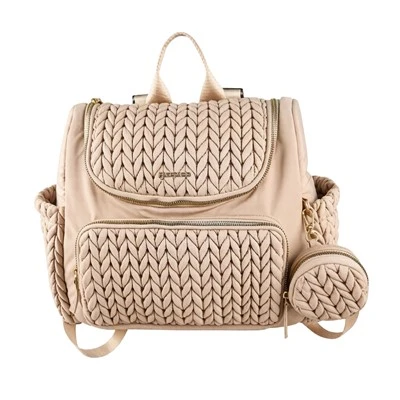
Now, go test those strollers, and don’t forget to pack extra snacks for the next transit commute—you’ll need them.
Baby Stroller References
American Public Transportation Association. (2022). "Stroller Accessibility Guidelines for Public Transit." Retrieved from industry safety and accessibility reports.
Baby Gear Association. (2023). "Key Features for Strollers Used in Urban Public Transit." Consumer and industry product testing data.
Urban Transit Management Association. (2021). "Space Requirements for Pedestrians and Mobility Devices on Public Transit." Transit infrastructure and passenger flow studies.
Zhongshan Jingao Trading Co., Ltd.
We are one of the most professional baby stroller manufacturers and suppliers in China, featured by quality products and good service. Please rest assured to wholesale bulk baby stroller in stock here and get free sample from our factory. Customized orders are welcome.
Address: Caosan Zhuwei Industrial Zone, Guzhen Town, Zhongshan City, Guangdong Province
E-mail: kingloek@qq.com
WebSite: https://www.wellbestvip.com/
