Hey there! I’m a supplier of microbial fungicides, and I often get asked about how to determine the dosage of these products. It’s a crucial question because getting the dosage right is key to making the microbial fungicide work effectively and economically. In this blog post, I’m going to share some insights on this topic based on my experience in the industry. Microbial Fungicide

Understanding Microbial Fungicides
First off, let’s quickly go over what microbial fungicides are. They’re biological products that use living microorganisms, like bacteria, fungi, or yeasts, to control plant diseases. Unlike chemical fungicides, they’re generally more environmentally friendly and sustainable. They work in different ways, such as competing with pathogens for space and nutrients, producing antibiotics, or inducing the plant’s natural defense mechanisms.
Factors Affecting Dosage
There are several factors that come into play when determining the dosage of a microbial fungicide. Let’s take a look at each of them.
Type of Pathogen
Different pathogens have different levels of susceptibility to microbial fungicides. For example, some fungi might be more easily controlled than others. If you’re dealing with a highly resistant pathogen, you might need to use a higher dosage of the fungicide. On the flip side, if the pathogen is relatively easy to target, a lower dosage could do the trick.
Let’s say you’re trying to control powdery mildew on your plants. Powdery mildew is a common fungal disease, and depending on the strain and how established it is, you’ll need to adjust the dosage accordingly. If it’s a fresh outbreak and the strain is known to be sensitive to your microbial fungicide, a lower dosage might be sufficient. But if it’s a recurring problem and the pathogen has developed some resistance, you may have to up the dosage.
Plant Species and Growth Stage
Plants can vary in their tolerance to microbial fungicides. Some plants are more sensitive and might require a lower dosage to avoid any negative effects. For instance, young seedlings are generally more delicate than mature plants. You wouldn’t want to use a high – dosage of the fungicide on seedlings as it could potentially harm them.
As plants grow, their needs change. During the early growth stages, when the plant’s immune system is still developing, a moderate dosage might be appropriate to prevent diseases. But as the plant matures and becomes more robust, you can increase the dosage if necessary to tackle more serious disease threats.
Environmental Conditions
Weather plays a big role in how well a microbial fungicide works. Temperature, humidity, and rainfall can all affect the survival and activity of the microorganisms in the fungicide. In hot and dry conditions, the microorganisms might dry out and lose their effectiveness. So, you might need to use a higher dosage or apply the fungicide more frequently.
On the other hand, in cool and wet conditions, the pathogen might be more active, but the microorganisms in the fungicide might also be more likely to spread and survive. However, excessive rainfall could wash away the fungicide, so you may need to re – apply it and adjust the dosage based on how much was lost.
Application Method
The way you apply the microbial fungicide also impacts the dosage. If you’re using a foliar spray, you need to make sure that the plant’s leaves are evenly coated. A lower dosage might be enough if the spray is well – distributed and covers all the affected areas. But if you’re using a soil drench, the dosage needs to be calculated based on the volume of soil you’re treating. The fungicide needs to penetrate the soil to reach the roots and control soil – borne pathogens.
Dosage Determination Methods
Now that we’ve covered the factors affecting dosage, let’s talk about how you can actually determine the right dosage.
Manufacturer’s Recommendations
The first place to start is the product label. The manufacturer usually provides dosage guidelines based on extensive research and testing. They take into account the type of pathogen the fungicide is designed to control, the plant species it’s suitable for, and the application method. It’s important to follow these recommendations closely, especially if you’re using the product for the first time.
For example, if the label says to use 10 milliliters of the microbial fungicide per liter of water for foliar spray on tomatoes, that’s a good starting point. But keep in mind that these are general guidelines, and you may need to adjust them based on the specific conditions in your field or garden.
Field Trials
Conducting small – scale field trials is a great way to fine – tune the dosage. You can set up a few plots with different dosages of the fungicide and compare the results. Look at how well the disease is controlled, the growth and health of the plants, and any signs of phytotoxicity (damage to the plants).
Let’s say you’re growing a large field of strawberries. You can divide a small section of the field into three plots. Apply a low, medium, and high dosage of the microbial fungicide to each plot respectively. After a few weeks, check the plots for signs of gray mold, a common strawberry disease. If the low – dosage plot still has a lot of infected plants, and the high – dosage plot shows some signs of plant stress, the medium dosage might be the right one for your field.
Monitoring and Adjustment
Regular monitoring of your plants is essential. Keep an eye out for any signs of disease, such as spots on the leaves, wilting, or mold growth. If you notice that the disease is not being controlled effectively, you may need to increase the dosage. But if you see signs of plant damage or if the cost of using the fungicide is getting too high, you might want to lower the dosage.
For example, if you’re using a microbial fungicide to control downy mildew on cucumbers and you see new lesions forming on the leaves even after applying the fungicide, it could be a sign that the dosage is too low. On the other hand, if the cucumber leaves start to turn yellow or show signs of burning, the dosage might be too high.
Importance of Correct Dosage
Using the correct dosage of a microbial fungicide is not just about controlling diseases. It also has economic and environmental implications.
If you use too little of the fungicide, the disease may not be effectively controlled, leading to crop losses. This can be a huge financial hit, especially for farmers who rely on their crops for income. On the other hand, using too much of the fungicide can increase costs and may also have a negative impact on the environment. Excessive use can lead to the development of resistant pathogens, harm beneficial microorganisms in the soil, and potentially contaminate water sources.
Conclusion
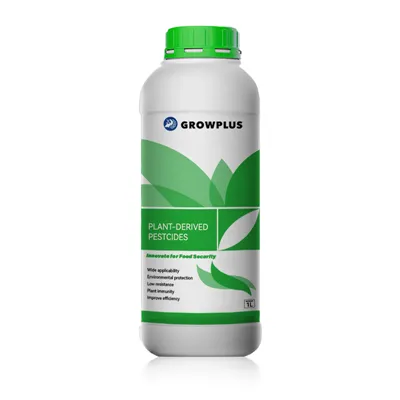
Determining the dosage of a microbial fungicide is a complex but important process. By considering factors like the type of pathogen, plant species and growth stage, environmental conditions, and application method, you can make a more informed decision. Starting with the manufacturer’s recommendations, conducting field trials, and regularly monitoring your plants will help you find the optimal dosage.
Natural Biosstmulants If you’re interested in purchasing our high – quality microbial fungicides and need more advice on dosage or any other aspect, don’t hesitate to reach out to us. We’re here to help you make the most of our products and ensure the health of your plants.
References
- Agrios, G. N. (2005). Plant Pathology (5th ed.). Elsevier Academic Press.
- Cook, R. J., & Baker, K. F. (1983). The Nature and Practice of Biological Control of Plant Pathogens. The American Phytopathological Society.
Grow Plus Crop Protection Co., Ltd.
As one of the most professional microbial fungicide manufacturers and suppliers in China, we’re featured by quality products and good service. Please rest assured to wholesale bulk microbial fungicide at competitive price from our factory. Also, quotation is available.
Address: Room 1101, Building 26, Zhongke Innovation Plaza, No. 150 Pubin Road, Pukou District, Nanjing City, Jiangsu Provience
E-mail: Lily@natur-sim.com
WebSite: https://www.gpglo.com/
