Operating a vertical cartoning machine efficiently and safely requires specific training to ensure optimal performance, product quality, and workplace safety. As a supplier of vertical cartoning machines, I understand the importance of providing comprehensive training to our customers. In this blog, I will discuss the key aspects of the training required to operate a vertical cartoning machine effectively. Vertical Cartoning Machine

Understanding the Machine
The first step in training for operating a vertical cartoning machine is to gain a thorough understanding of its components, functions, and working principles. This includes learning about the different parts of the machine, such as the carton magazine, product infeed system, carton erecting mechanism, product loading station, and carton closing system. Operators need to know how each component works and how they interact with each other to achieve the desired cartoning process.
During the training, we provide detailed explanations and demonstrations of the machine’s operation. We show operators how to start and stop the machine, adjust the speed and settings, and troubleshoot common issues. We also teach them about the safety features of the machine, such as emergency stop buttons, safety guards, and interlocks, and how to use them properly to prevent accidents.
Carton Handling and Setup
Proper carton handling and setup are crucial for the smooth operation of a vertical cartoning machine. Operators need to learn how to load cartons into the magazine correctly, adjust the carton size and position, and ensure that the cartons are properly erected and opened before product loading. They also need to know how to handle different types of cartons, such as folding cartons, tuck-top cartons, and glued cartons, and how to adjust the machine settings accordingly.
In our training program, we provide hands-on experience in carton handling and setup. We teach operators how to use the carton magazine and feeder to load cartons into the machine, how to adjust the carton size and position using the machine’s controls, and how to troubleshoot any issues that may arise during the carton erecting and opening process. We also provide training on how to handle different types of cartons and how to adjust the machine settings to accommodate them.
Product Loading and Placement
The next step in operating a vertical cartoning machine is to load the products into the cartons. Operators need to learn how to use the product infeed system to feed the products into the machine, how to position the products correctly in the cartons, and how to ensure that the products are loaded smoothly and efficiently. They also need to know how to handle different types of products, such as bottles, tubes, blister packs, and sachets, and how to adjust the machine settings accordingly.
During the training, we provide practical training in product loading and placement. We teach operators how to use the product infeed system to feed the products into the machine, how to position the products correctly in the cartons using the machine’s controls, and how to troubleshoot any issues that may arise during the product loading process. We also provide training on how to handle different types of products and how to adjust the machine settings to accommodate them.
Carton Closing and Sealing
Once the products are loaded into the cartons, the next step is to close and seal the cartons. Operators need to learn how to use the carton closing system to fold the carton flaps and seal the cartons, how to adjust the sealing pressure and temperature, and how to ensure that the cartons are sealed properly and securely. They also need to know how to handle different types of carton closing methods, such as tuck-in closures, glue closures, and heat-seal closures, and how to adjust the machine settings accordingly.
In our training program, we provide hands-on training in carton closing and sealing. We teach operators how to use the carton closing system to fold the carton flaps and seal the cartons, how to adjust the sealing pressure and temperature using the machine’s controls, and how to troubleshoot any issues that may arise during the carton closing and sealing process. We also provide training on how to handle different types of carton closing methods and how to adjust the machine settings to accommodate them.
Maintenance and Troubleshooting
Regular maintenance and troubleshooting are essential for the long-term performance and reliability of a vertical cartoning machine. Operators need to learn how to perform basic maintenance tasks, such as cleaning, lubricating, and inspecting the machine, how to identify and troubleshoot common issues, and how to perform minor repairs and adjustments. They also need to know how to follow the manufacturer’s recommended maintenance schedule and procedures to ensure that the machine is operating at its best.
During the training, we provide comprehensive training in maintenance and troubleshooting. We teach operators how to perform basic maintenance tasks, such as cleaning the machine, lubricating the moving parts, and inspecting the electrical and mechanical components. We also teach them how to identify and troubleshoot common issues, such as jams, misfeeds, and sealing problems, and how to perform minor repairs and adjustments using the machine’s tools and spare parts. We also provide training on how to follow the manufacturer’s recommended maintenance schedule and procedures to ensure that the machine is operating at its best.
Safety Training
Safety is of utmost importance when operating a vertical cartoning machine. Operators need to learn about the potential hazards associated with the machine, such as moving parts, electrical shock, and chemical exposure, and how to use the machine safely to prevent accidents. They also need to know how to follow the safety procedures and guidelines provided by the manufacturer, such as wearing personal protective equipment (PPE), using the machine’s safety features, and reporting any safety issues or incidents.
In our training program, we provide comprehensive safety training to our operators. We teach them about the potential hazards associated with the machine, how to use the machine safely to prevent accidents, and how to follow the safety procedures and guidelines provided by the manufacturer. We also provide training on how to wear personal protective equipment (PPE), such as safety glasses, gloves, and earplugs, and how to use the machine’s safety features, such as emergency stop buttons, safety guards, and interlocks. We also provide training on how to report any safety issues or incidents and how to respond to emergencies.
Conclusion
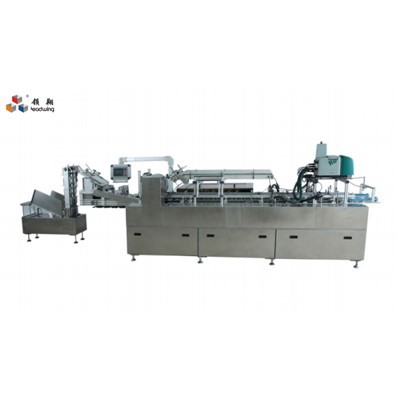
Operating a vertical cartoning machine requires specific training to ensure optimal performance, product quality, and workplace safety. As a supplier of vertical cartoning machines, we provide comprehensive training to our customers to help them operate our machines effectively and safely. Our training program covers all aspects of the machine’s operation, including understanding the machine, carton handling and setup, product loading and placement, carton closing and sealing, maintenance and troubleshooting, and safety training.
Horizontal Cartoning Machine If you are interested in purchasing a vertical cartoning machine or need more information about our training program, please contact us. Our team of experts will be happy to assist you and provide you with the information you need to make an informed decision.
References
- [Manufacturer’s Manual for Vertical Cartoning Machine]
- [Industry Standards for Cartoning Machine Operation]
- [Safety Guidelines for Industrial Machinery]
Wenzhou Leadwing Machingry Co., Ltd.
With abundant experience, we are one of the most reliable vertical cartoning machine manufacturers and suppliers in China. We warmly welcome you to buy advanced vertical cartoning machine made in China here from our factory. All customized machines are with high quality and low price.
Address: Room 101, Unit 2, Building 10B, Zilai Entrepreneurial Park, Wanquan Town, Pingyang County, Wenzhou City, Zhejiang Province
E-mail: wzleadwing@163.com
WebSite: https://www.leadwingmach.com/
