Hey there, let’s cut to the chase—if you’re in the material handling game, you’ve definitely stared down the forklift decision: electric vs. diesel. I’m gonna keep this real, ‘cause I’m on the ground selling electric forklifts (no corporate fluff here, promise) and I’ve seen every headache that comes with diesel-powered models. If you’re weighing your fleet upgrade or replacing old units, listen up—electric isn’t just a trend, it’s the smarter call. Let’s break down the actual advantages, no sales jargon. Electric Forklift

First off, let’s talk money—‘cause let’s be honest, that’s what keeps operations running. I know a warehouse manager who swears by his old diesel forklift, says it’s “cheap up front.” But wait, the hidden costs here are brutal. Diesel needs constant tune-ups: oil changes, filter swaps, fuel injector cleanouts. Last week, I had a guy reach out who spent $800 in a month just on diesel for one unit alone. And that’s not even counting the mandatory emissions checks—most cities, especially those with tight air quality rules, slap heavy fines on forklifts that spew too much exhaust. I’ve never heard of a single electric forklift failing a local emissions test; they have zero tailpipe, so that’s one bill you can cross off forever.
Then there’s maintenance. Electric forklifts have way fewer moving parts under the hood—no engine blocks, no exhaust systems, no transmission fluid to replace. A diesel unit is basically a tiny gas-guzzling engine, and every part wears out faster, especially if you’re running it hard 12 hours a day. My service techs tell me that electric forklifts only need a quick battery check every 200-300 hours, whereas diesel needs full service every 50 hours. That’s less downtime, which means you’re making money instead of waiting around for a mechanic. The initial cost of an electric might be a touch higher, but over 5 years, we’re talking 30-40% lower total cost of ownership (TCO). I’ve run the numbers for dozens of clients—they almost always save enough in fuel and maintenance to cover the price difference within 2-3 years.
Next, that game-changer: zero emissions. Let’s get real, diesel forklifts pump out a ton of exhaust—carbon monoxide, nitrogen oxides, particulate matter. If you’re operating indoors, that’s a nightmare. I’ve been in cold storage warehouses where diesel fumes build up so bad, workers have to rotate shifts every hour to avoid headaches and fatigue. Electric forklifts run silently, no exhaust, so you don’t need ventilation fans blowing full blast 24/7. Those fans cost a fortune to run, plus they blow cold air around in winter, jacking up heating bills. For outdoor use, it’s not as big a deal, but most modern cities are pushing for “green fleets” to hit climate goals. We had a client in Portland who got a $15k local grant just for switching two forklifts to electric. That’s free cash for doing the right thing, something diesel owners can’t get.
Speaking of noise—who wants to work in a loud, echoey warehouse all day? Diesel forklifts are loud, like 80-90 decibels, which is about as loud as a lawn mower. Over time, that causes hearing damage for your operators, which means OSHA might come knocking for violations. Electric forklifts hit around 60-70 decibels—like a normal conversation. Operators actually communicate better, they don’t leave work with a ringing in their ears, and you don’t have to spend money on expensive hearing protection. I once had a driver tell me his first day on an electric, he could hear his own thoughts for the first time in years. That’s not a small win for morale, either—happy workers = lower turnover, which saves you money on training new hires.
Then there’s performance, especially for indoor or short-run jobs. Wait, I know some guys say diesel has more power for long hauls or heavy loads, but that’s old news. Modern electric forklifts have instant torque—they start moving faster than diesel, no waiting for the engine to rev up. A lot of our clients use electric for stacking 10+ foot pallets in narrow aisles, and they love how smooth the operation is. No jerking when you lift heavy loads, which means less risk of dropping inventory or damaging racks. We sell lithium-ion batteries, too—no more changing those heavy lead-acid batteries at the end of the day. You just plug them in over lunch or overnight, and they last 8 hours on a single charge. No more lifting 100lb battery packs that leave service guys with back injuries, either. Lead-acid batteries only last 3-5 years, but lithium-ion goes 10+, so that’s another cost down the line.
Storage and convenience, too. Diesel fuel has to be stored in big tanks, which take up warehouse space and are a fire hazard. I’ve seen old diesel tanks leak, turning a corner of a storage yard into a muddy, stinky mess. Electric forklifts don’t need fuel storage—just charging stations, which take up way less space, often right in the corner of the office or break room. And no more running out of fuel mid-shift, which can shut down an entire operation. One client told me he once lost $2k in an hour when his diesel ran out right as a delivery truck was loading. Electric chargers are usually fast, too—some of them get 80% charge in an hour, so if you have a busy shift, you can top up during breaks without losing production time.
Wait, let’s not forget about longevity. I’ve had electric forklifts still going strong after 10 years, while their diesel counterparts needed a full engine rebuild at year 5. Why? Less stress on the motor. Diesels have to work hard to burn fuel, creating heat and wear, but electric motors run cool and smooth. That means fewer breakdowns, less emergency repairs, and a longer useful life for your forklift. I also like to mention that electric forklifts are way easier to retrofit with smart tech—like GPS tracking to monitor usage, or temperature sensors for cold storage. That’s a nice bonus for modern operations that want to get data on their fleet to save even more money.
Don’t get me wrong, I’m not bashing diesel entirely—if you’re running a forklift 24/7 out in the desert with no access to power, diesel makes sense. But 9 out of 10 clients I talk to have access to charging, whether it’s at their warehouse, distribution center, or job site. Those clients all end up going electric and never looking back. They say the biggest change is how much less stress they have—no more dealing with fuel deliveries, no more surprise service bills, no more coughing from fumes.
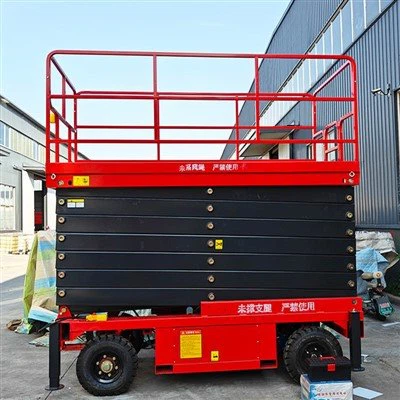
If you’re still on the fence, let’s do this: I can hook you up with a side-by-side comparison for your specific fleet size and usage. Just reach out, tell me how many hours a day you run forklifts, where you operate (indoor, outdoor, both?), and your load sizes, and I’ll give you a rough TCO breakdown. No pressure, no sales pitch—just real numbers. Switching isn’t easy, but it’s worth it. Your operators will be happier, your wallet will be fatter, and you’ll be ahead of the curve on all those new green regulations. Don’t wait till your diesel breaks down mid-shift—be proactive. Hit me up, let’s chat.
Articulated Boom Lift References:
- Material Handling Industry Association. (2023). Total Cost of Ownership Comparison: Electric vs. Internal Combustion Forklifts. MHIA Research Report.
- Occupational Safety and Health Administration. (2022). Noise Exposure Standards for Material Handling Equipment. OSHA Technical Manual.
- U.S. Environmental Protection Agency. (2021). Clean Heavy-Duty Vehicle Standards: Forklift Emissions Requirements. EPA Transportation and Air Quality Division.
- Forklift Industry Insights. (2023). Lithium-Ion Battery Lifespan and Maintenance Costs for Electric Material Handling Equipment. Forklift Tech Journal.
Shandong Zhongke Huali Machinery Co., Ltd.
As one of the most professional electric forklift manufacturers and suppliers in China, we also support customized service. We warmly welcome you to wholesale discount electric forklift in stock here from our factory. For price consultation, contact us.
Address: No. 2 Qubai Road, Qudi Street, Jiyang District, Jinan City, Shandong Province
E-mail: hlizhonggong@163.com
WebSite: https://www.hualiheavy.com/
