In the world of amateur radio, also known as ham radio, the range of an antenna is a critical factor that can significantly impact the quality and reach of your communications. As a supplier of Analog Ham Radio equipment, I’ve had the opportunity to work closely with enthusiasts and professionals alike, and I understand the importance of maximizing antenna range. In this blog post, I’ll share some practical tips and techniques that can help you increase the range of your analog ham radio antenna. Analog Ham Radio

Understanding Antenna Basics
Before we dive into the ways to increase antenna range, it’s essential to have a basic understanding of how antennas work. An antenna is a device that converts electrical signals into electromagnetic waves and vice versa. The range of an antenna depends on several factors, including its design, height, and surroundings.
Antenna Design
There are several types of antennas available for ham radio use, each with its own advantages and disadvantages. Some of the most common types include dipole antennas, vertical antennas, and Yagi antennas. Dipole antennas are simple and easy to construct, making them a popular choice for beginners. They consist of two conductive elements that are typically made of wire or metal tubing. Vertical antennas are another popular option, especially for mobile and base station use. They are designed to radiate signals in a circular pattern around the antenna, providing omnidirectional coverage. Yagi antennas, on the other hand, are more directional and are commonly used for long-distance communication. They consist of a driven element, one or more reflectors, and one or more directors.
Antenna Height
The height of an antenna is another crucial factor that can affect its range. Generally speaking, the higher the antenna, the greater the range. This is because a higher antenna allows the radio waves to travel further before they are absorbed or reflected by the ground or other obstacles. For example, a radio wave transmitted from an antenna located at ground level may only travel a few miles, while the same wave transmitted from a tall tower or building may travel hundreds of miles.
Antenna Surroundings
The surroundings of an antenna can also have a significant impact on its range. Obstacles such as buildings, trees, and hills can block or reflect radio waves, reducing the effective range of the antenna. Additionally, the presence of electrical interference from sources such as power lines, motors, and electronic devices can also degrade the quality of the signal. To minimize the impact of these factors, it’s important to choose a location for your antenna that is as clear and unobstructed as possible.
Tips for Increasing Antenna Range
Now that we have a better understanding of the factors that affect antenna range, let’s take a look at some practical tips and techniques that can help you increase the range of your analog ham radio antenna.
Choose the Right Antenna
As mentioned earlier, there are several types of antennas available for ham radio use, each with its own advantages and disadvantages. When choosing an antenna, it’s important to consider your specific needs and requirements. For example, if you’re primarily interested in local communication, a dipole or vertical antenna may be sufficient. However, if you’re looking to communicate over longer distances, a Yagi or other directional antenna may be a better choice.
Optimize Antenna Placement
The placement of your antenna is crucial for maximizing its range. As a general rule, the antenna should be placed as high as possible and in a location that is clear and unobstructed. Ideally, the antenna should be at least half a wavelength above the ground or other obstacles. Additionally, it’s important to avoid placing the antenna near sources of electrical interference, such as power lines, motors, and electronic devices.
Use a Good Quality Coaxial Cable
The coaxial cable is the connection between your radio and your antenna, and it plays a crucial role in the performance of your system. A good quality coaxial cable will have low loss and high impedance, which will help to ensure that the signal is transmitted efficiently from the radio to the antenna. When choosing a coaxial cable, it’s important to consider the length of the cable, the frequency range of your radio, and the type of antenna you’re using.
Install a Ground Plane
A ground plane is a conductive surface that is used to improve the performance of a vertical antenna. It helps to create a more stable and efficient radiation pattern, which can increase the range of the antenna. A ground plane can be made of a variety of materials, such as metal mesh, aluminum foil, or copper wire. It should be installed at least a few inches below the base of the antenna and should be as large as possible.
Use an Antenna Tuner
An antenna tuner is a device that is used to match the impedance of your antenna to the impedance of your radio. This helps to ensure that the signal is transmitted efficiently from the radio to the antenna, which can increase the range of the antenna. An antenna tuner is especially useful if you’re using a non-resonant antenna or if you’re operating on multiple frequencies.
Consider Using a Repeater
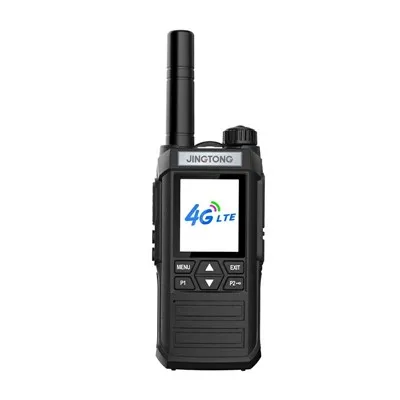
A repeater is a device that receives a radio signal on one frequency and retransmits it on another frequency. It can be used to increase the range of your radio by providing a relay station that can extend the coverage area. Repeaters are commonly used by ham radio operators to communicate over longer distances and to overcome obstacles such as mountains and buildings.
Conclusion
android Poc Radio Increasing the range of an analog ham radio antenna requires a combination of proper antenna selection, placement, and maintenance. By following the tips and techniques outlined in this blog post, you can significantly improve the performance of your antenna and enhance your ham radio experience. As a supplier of Analog Ham Radio equipment, I’m committed to providing my customers with the highest quality products and the best possible support. If you have any questions or need further assistance, please don’t hesitate to contact me. I’d be happy to help you find the right antenna and equipment for your needs.
References
- ARRL Antenna Book, American Radio Relay League
- Ham Radio for Dummies, by Gordon West and Roger Hall
- The Radio Amateur’s Handbook, Radio Society of Great Britain
Jingtong (Quanzhou) Electronics Co., Ltd.
We are one of the most professional analog ham radio manufacturers and suppliers in China, specialized in providing high quality customized service. We warmly welcome you to buy durable analog ham radio made in China here from our factory. For price consultation, contact us.
Address: No.288, Si Huang Industry Zone, Xia Mei Town, Nan An, Quanzhou, Fujian province, China 362302
E-mail: jtdjj@jtdjj.com
WebSite: https://www.jteradio.com/
