Hey there, fellow machining enthusiasts! As a supplier of manual surface grinders, I’ve heard my fair share of complaints about the noise these machines make. It’s not just annoying; it can also be a real pain in the neck for workers and can even lead to some serious health issues over time. So, I thought I’d share some tips on how to reduce the noise of a manual surface grinder. Manual Surface Grinder
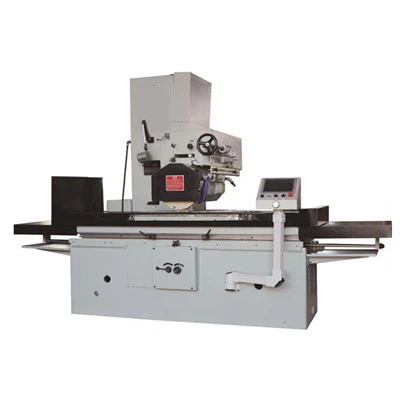
Understanding the Sources of Noise
Before we jump into the solutions, let’s take a quick look at what causes the noise in the first place. There are a few main culprits:
1. Grinding Wheel
The grinding wheel is one of the biggest sources of noise. When it spins at high speeds and comes into contact with the workpiece, it creates a lot of friction, which generates noise. The type of wheel, its condition, and how it’s dressed can all affect the noise level.
2. Motor
The motor that powers the grinder also contributes to the noise. Motors have moving parts, and as they run, they can vibrate and make noise. The quality of the motor and how well it’s maintained can impact the amount of noise it produces.
3. Machine Structure
The structure of the grinder itself can amplify or dampen the noise. If the machine is not properly designed or if it has loose parts, it can vibrate more and make more noise.
Tips to Reduce the Noise
1. Choose the Right Grinding Wheel
- Select the Appropriate Grit and Bond: Different grinding wheels have different grit sizes and bond types. A wheel with the right grit for the job will cut more efficiently, reducing the amount of friction and noise. For example, a finer grit wheel is better for finishing operations, while a coarser grit wheel is suitable for rough grinding.
- Keep the Wheel in Good Condition: A worn or damaged wheel can cause uneven grinding and increase noise. Regularly dress the wheel to keep it sharp and balanced. This will not only reduce noise but also improve the quality of the grind.
2. Maintain the Motor
- Lubricate the Motor: Proper lubrication reduces friction between the moving parts of the motor, which in turn reduces noise. Make sure to use the recommended lubricant and follow the manufacturer’s instructions for lubrication intervals.
- Check for Loose Parts: Loose bolts or other components in the motor can cause vibrations and noise. Periodically inspect the motor and tighten any loose parts.
3. Improve the Machine Structure
- Use Anti – Vibration Pads: Placing anti – vibration pads under the grinder can help absorb the vibrations and reduce the noise transmitted to the floor. These pads are relatively inexpensive and can make a big difference.
- Tighten Loose Components: Check the entire machine for loose bolts, nuts, and other parts. A loose machine structure can amplify the noise. Make sure everything is properly tightened to minimize vibrations.
4. Isolate the Grinder
- Build a Soundproof Enclosure: If possible, build a soundproof enclosure around the grinder. This can significantly reduce the noise level in the workshop. You can use materials like acoustic panels or fiberglass insulation to line the enclosure.
- Place the Grinder in a Separate Room: If you have the space, placing the grinder in a separate room can also help contain the noise. This is especially useful in larger workshops where the noise can spread easily.
5. Operator Techniques
- Proper Feeding: The way the operator feeds the workpiece into the grinder can affect the noise level. Feeding the workpiece too quickly or too slowly can cause uneven grinding and increase noise. Train operators to use the correct feeding speed for the job.
- Use Coolant: Using coolant during the grinding process can reduce friction and heat, which in turn reduces noise. Make sure to use the right type of coolant and apply it properly.
Benefits of Reducing Noise
Reducing the noise of a manual surface grinder has several benefits:
1. Health and Safety
Exposure to high levels of noise can cause hearing loss, stress, and other health problems. By reducing the noise, you’re creating a safer and healthier work environment for your employees.
2. Productivity
Less noise means less distraction for the operators. They can focus better on their work, which can lead to increased productivity and better quality of the finished products.
3. Reputation
A quiet workshop is a sign of a well – managed business. It can improve your reputation among customers and employees, and may even give you a competitive edge in the market.
Conclusion

Reducing the noise of a manual surface grinder is not only possible but also highly beneficial. By following the tips I’ve shared, you can make your grinder quieter, create a better work environment, and improve the overall performance of your machining operations.
Wide-Wheel Centerless Grinder If you’re interested in learning more about our manual surface grinders or have any questions about noise reduction, feel free to reach out to us. We’re always happy to help you find the best solutions for your needs.
References
- ASM Handbook, Volume 16: Machining, ASM International
- Machinery’s Handbook, Industrial Press
Wuxi Mingxu Machinery Equipment Co., Ltd.
As one of the most professional manual surface grinder manufacturers and suppliers in China, we’re featured by quality products and good price. Please rest assured to buy the best manual surface grinder for sale here from our factory. Also, custom service is available.
Address: No. 5-5 Jinke Wealth Plaza, Changjiang North Road, Xinwu District, Wuxi City, Jiangsu Province
E-mail: yingyingmxjd@163.com
WebSite: https://www.mingxu-china.com/
